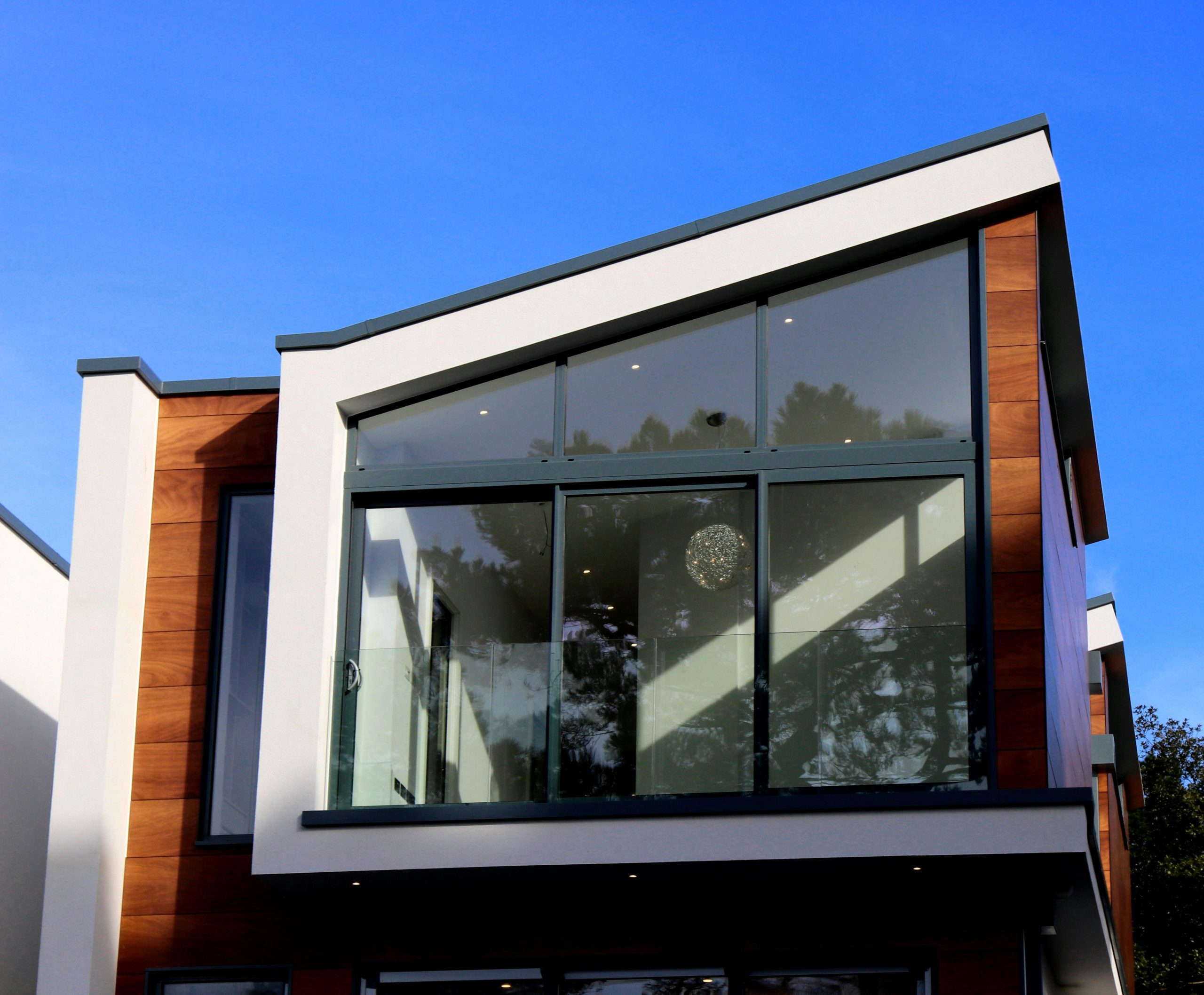
Building a house today is no longer just about meeting current needs. Homeowners want spaces that remain comfortable, efficient, and functional for decades. Future proof modern home design focuses on creating houses that can adapt to new technologies, changing lifestyles, and environmental demands. By planning ahead during construction, homeowners can avoid expensive renovations and ensure their property remains valuable and practical over time.
At Kamboh Enterprises, we integrate forward-thinking construction strategies that prepare homes for tomorrow’s living standards while maintaining comfort and efficiency today.
Smart Design Planning for Long-Term Living
One of the most important elements of building a future proof modern home is thoughtful design planning. Homes must be designed to adapt to lifestyle changes, family growth, and evolving technologies.
Flexible layouts allow homeowners to convert rooms into offices, guest rooms, or additional living spaces when needed. Wider doorways, step-free entrances, and accessible bathrooms also make homes easier to live in as occupants age.
Planning these elements early ensures the house remains practical for many years without major structural changes.
Energy Efficiency and Sustainable Construction
Energy efficiency is a major part of any future proof modern home. Rising energy costs and environmental concerns make efficient homes increasingly valuable.
Modern construction techniques include high-quality insulation, energy-efficient windows, and advanced ventilation systems that help maintain indoor comfort while reducing energy consumption.
Solar-ready roofing, energy-efficient lighting, and smart climate control systems also prepare homes for future energy solutions and reduce long-term operating costs.
Renewable Energy Integration
Homes designed with renewable energy systems in mind can easily integrate solar panels or battery storage in the future. Even if these systems are not installed immediately, preparing the infrastructure during construction can make upgrades far easier later.
This approach allows homeowners to gradually transition toward sustainable living while maintaining flexibility in their energy choices.
Smart Home Technology Integration
Technology continues to evolve rapidly, and modern homes must be prepared for these advancements. A well-planned future proof modern home includes infrastructure for smart systems such as automated lighting, security monitoring, climate control, and voice-enabled devices.
Structured wiring, centralized control panels, and reliable internet connectivity ensure that new technologies can be added without extensive rewiring.
Smart homes not only improve convenience but also increase property value and security.
Durable Materials for Long-Term Performance
Choosing durable construction materials is essential for homes designed to last decades. High-quality roofing, weather-resistant exterior finishes, and strong structural materials reduce maintenance requirements and extend the lifespan of the building.
Long-lasting materials also improve resilience against changing weather conditions and environmental factors. By investing in durability during construction, homeowners reduce repair costs and preserve the property’s structural integrity.
Flexible Interior Spaces
Lifestyle needs change over time. A home that works perfectly today may need adjustments in the future.
Designing adaptable interiors is another important step in building a future proof modern home. Open floor plans, movable partitions, and multi-purpose rooms allow homeowners to adjust spaces without major renovations.
For example, a spare bedroom may later become a home office, gym, or study area depending on the family’s needs.
Preparing Homes for Technology and Infrastructure Changes
Future infrastructure demands such as electric vehicle charging stations, advanced security systems, and improved communication networks should also be considered during construction.
Installing conduits, extra electrical capacity, and dedicated utility spaces ensures that the home can easily accommodate new technologies as they become common.
This proactive planning ensures that the property remains aligned with modern living standards.
Conclusion
A well-designed home should serve its owners for many years without constant upgrades or structural changes. Through thoughtful planning, energy efficiency, adaptable design, and durable materials, homeowners can create a future proof modern home that remains comfortable and valuable over time. By incorporating these strategies during construction, Kamboh Enterprises helps clients build homes that are ready for both present needs and future innovations.
Frequently Asked Questions
What does future proof modern home mean?
It refers to designing and building a house that can adapt to future technologies, lifestyle changes, and environmental requirements.
Why is future proof modern home design important?
It helps homeowners avoid expensive renovations later by ensuring the home is prepared for future technology, energy systems, and changing living needs.
What features should a future-ready home include?
Key features include energy-efficient systems, flexible layouts, durable materials, smart home infrastructure, and renewable energy readiness.
Can existing houses be upgraded to become future ready?
Yes, existing homes can incorporate smart technologies, energy-efficient upgrades, and adaptable design improvements to support long-term living.